Gas Powered Self Propelled Lawn Mowers - Audit

Market Baselines
MFR - Engine Displacement (cc)
170
MFR - Cutting Width (inches)
21
MFR - Warranty (Year)
2
MFR - Cutting Height Adjustment (settings)
6
When you purchase through links on our site, we may earn an affiliate commission.
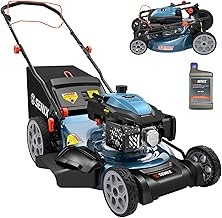
MFR - Engine Displacement:
201cc
(+18%)
- Performance:
- Exceptional (86)
- Value:
- Exceptional (78)
- Brand Strength:
- Average (52)


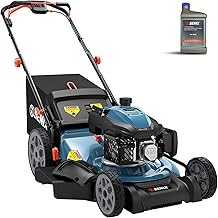
MFR - Engine Displacement:
201cc
(+18%)
- Performance:
- Exceptional (86)
- Value:
- Strong (70)
- Brand Strength:
- Average (52)
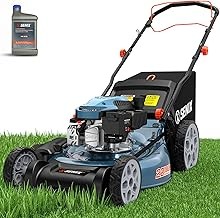
MFR - Engine Displacement:
170cc
(At Baseline)
- Performance:
- Average (72)
- Value:
- Strong (71)
- Brand Strength:
- Average (52)

MFR - Engine Displacement:
201cc
(+18%)
- Performance:
- Average (68)
- Value:
- Exceptional (75)
- Brand Strength:
- Average (54)
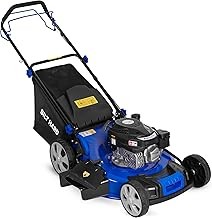
MFR - Engine Displacement:
170cc
(At Baseline)
- Performance:
- Average (69)
- Value:
- Strong (71)
- Brand Strength:
- Average (54)

MFR - Engine Displacement:
201cc
(+18%)
- Performance:
- Strong (82)
- Value:
- Fair (51)
- Brand Strength:
- Average (48)
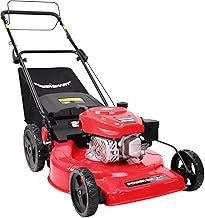
MFR - Engine Displacement:
170cc
(At Baseline)
- Performance:
- Average (63)
- Value:
- Exceptional (86)
- Brand Strength:
- Average (47)

MFR - Engine Displacement:
163cc
(-4%)
- Performance:
- Average (65)
- Value:
- Strong (64)
- Brand Strength:
- Average (52)
MFR - Engine Displacement:
170cc
(At Baseline)
- Performance:
- Average (63)
- Value:
- Strong (70)
- Brand Strength:
- Average (47)

MFR - Engine Displacement:
163cc
(-4%)
- Performance:
- Average (63)
- Value:
- Strong (67)
- Brand Strength:
- Average (47)
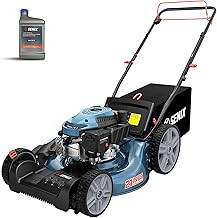
MFR - Engine Displacement:
170cc
(At Baseline)
- Performance:
- Mediocre (56)
- Value:
- Fair (59)
- Brand Strength:
- Average (52)

MFR - Engine Displacement:
170cc
(At Baseline)
- Performance:
- Mediocre (56)
- Value:
- Strong (70)
- Brand Strength:
- Mediocre (30)
MFR - Engine Displacement:
170cc
(At Baseline)
- Performance:
- Mediocre (54)
- Value:
- Strong (63)
- Brand Strength:
- Average (47)
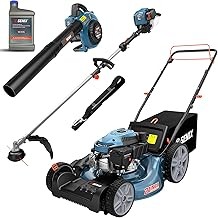
MFR - Engine Displacement:
170cc
(At Baseline)
- Performance:
- Mediocre (56)
- Value:
- Mediocre (41)
- Brand Strength:
- Average (52)
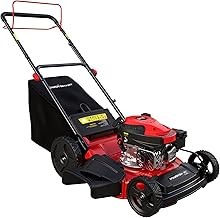
MFR - Engine Displacement:
170cc
(At Baseline)
- Performance:
- Mediocre (47)
- Value:
- Fair (59)
- Brand Strength:
- Average (47)
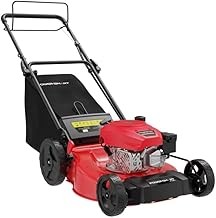
MFR - Engine Displacement:
170cc
(At Baseline)
- Performance:
- Mediocre (47)
- Value:
- Fair (52)
- Brand Strength:
- Average (47)
MFR - Engine Displacement:
170cc
(At Baseline)
- Performance:
- Mediocre (47)
- Value:
- Fair (55)
- Brand Strength:
- Mediocre (30)
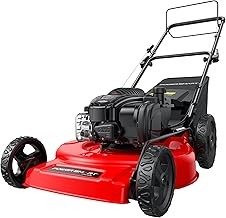
MFR - Engine Displacement:
150cc
(-12%)
- Performance:
- Mediocre (45)
- Value:
- Mediocre (44)
- Brand Strength:
- Average (47)
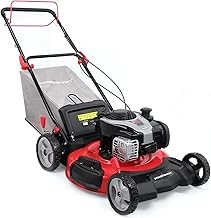
MFR - Engine Displacement:
140cc
(-18%)
- Performance:
- Mediocre (40)
- Value:
- Mediocre (42)
- Brand Strength:
- Average (47)
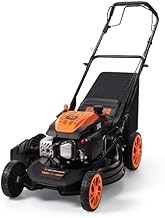
MFR - Engine Displacement:
170cc
(At Baseline)
- Performance:
- Mediocre (45)
- Value:
- Fair (50)
- Brand Strength:
- Zero (0)

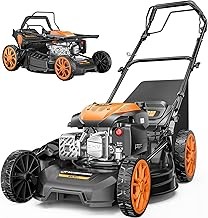
MFR - Engine Displacement:
170cc
(At Baseline)
- Performance:
- Mediocre (45)
- Value:
- Fair (46)
- Brand Strength:
- Zero (0)

MFR - Engine Displacement:
140cc
(-18%)
- Performance:
- Weak (33)
- Value:
- Mediocre (32)
- Brand Strength:
- Average (47)
MFR - Engine Displacement:
140cc
(-18%)
- Performance:
- Weak (24)
- Value:
- Weak (26)
- Brand Strength:
- Average (47)
MFR - Engine Displacement:
140cc
(-18%)
- Performance:
- Weak (24)
- Value:
- Weak (26)
- Brand Strength:
- Average (47)
MFR - Engine Displacement:
140cc
(-18%)
- Performance:
- Weak (24)
- Value:
- Weak (24)
- Brand Strength:
- Average (47)
MFR - Engine Displacement:
140cc
(-18%)
- Performance:
- Weak (18)
- Value:
- Weak (20)
- Brand Strength:
- Average (47)
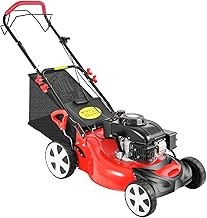
MFR - Engine Displacement:
140cc
(-18%)
- Performance:
- Weak (15)
- Value:
- Weak (30)
- Brand Strength:
- Zero (0)


MFR - Engine Displacement:
141cc
(-17%)
- Performance:
- Weak (13)
- Value:
- Weak (27)
- Brand Strength:
- Zero (0)


MFR - Engine Displacement:
141cc
(-17%)
- Performance:
- Weak (13)
- Value:
- Weak (27)
- Brand Strength:
- Zero (0)

Rankings