The Rise of Ghost Brands — And How to Avoid Weak, Marketplace-Only “Brands”
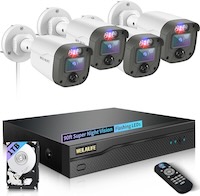
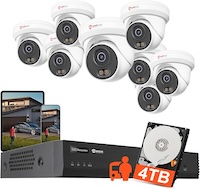
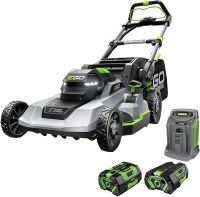
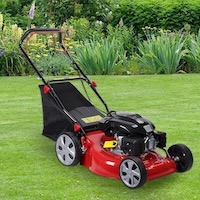
Across many marketplaces like Amazon, Walmart, eBay, and TikTok Shops, shoppers now face a confusing landscape: dozens of unfamiliar “brands” that appear overnight, disappear just as quickly, and often sell products that look suspiciously similar. In many categories — from lawn mowers to home security cameras — Winnowl’s research shows that different brands are frequently selling the same hardware at different prices, despite claiming to be unique.
It’s simply how modern global supply chains work. But consumers rarely know this is happening. And the consequences are real: inconsistent pricing, unreliable warranties, and limited customer support after purchase.
Winnowl maintains a full, up-to-date list of all zero-strength brands identified in our research, available here: Ghost Brands
What Are Ghost Brands?
A ghost brand is a marketplace-only brand with no website, no customer service, and no real presence outside the platform where it sells. These brands appear quickly, offer little transparency, and often disappear just as fast — leaving buyers with no support if something goes wrong.
Based on our research of brands with a Winnowl Brand Strength of 0, we observed several recurring patterns:
- No website, meaning there are no backlinks or independent web domains to support the brand.
- Often lack a logo or consistent visual identity.
- No published customer service number, chat, or other direct contact method.
- No return policy beyond what the marketplace requires.
- No independent web presence; these brands exist only on online marketplaces.
- Brand names are often unusual or seemingly random, such as MHBXYZ, RFEGJVII, or MZK.
Compare, for example, the Brand Strength between a well known and established brand like Roku and an unknown Ghost Brand like MHBXYZ. Roku has a 30 day Satisfaction Guarantee, offers Customer Support on both phone or chat, and has over 10 million links to its website. MHBXYZ has no published Return Policy, offers no Customer Support and doesn't even have a website.
| Metric | Roku | MHBXYZ |
|---|---|---|
| Brand Strength | Strong (82) | Zero (0) |
| Customer Service | Exceptional (100) | Zero (0) |
| Trust | Strong (80) | Zero (0) |
| Reliability | Strong (75) | Zero (0) |
| Value | Strong (75) | Zero (0) |
| Performance | Strong (64) | Zero (0) |
Why so many Ghost Brands?
Most ghost brands originate through a simple, common supply chain pattern:
- A factory develops a product, such as a gas powered self propelled lawn mower.
- The factory offers the product to wholesalers and private-label resellers.
- Resellers choose a logo, packaging, accent color, and brand name.
- The reseller launches the “brand” online.
- The same hardware appears under multiple names, often at very different prices.
These brands are not inherently “bad.” Many offer affordable products. But the lack of transparency means shoppers often believe they are choosing between several competing brands — when they are actually choosing between resellers, not products. The other problem is that the resellers don't contorl the quality or production of the product. They simply buy from the factory and resell it.
A Real Example: Three Lawn Mower Brands, One Product
In a recent Winnowl analysis of Self Propelled Gas Lawn Mowers, we found:
- Three “different” brands selling what is effectively the same mower
- Nearly identical specs, internal parts, and performance
- Prices differing by more than 31%
Same Product, Different Brands
These three brands all use the same product image for their self-propelled gas lawn mower:
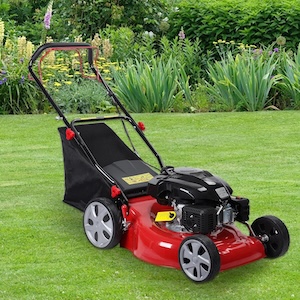
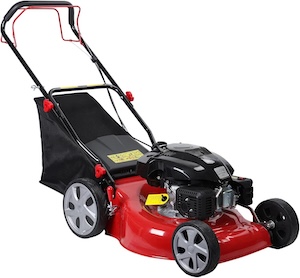

What looks like competitive variety is often the opposite: one product, many resellers.
How can you make sure you're buying a good product from a reliable brand?
We analyzes, score and rank products and brands for things like:
- Customer service
- Trust
- Reliability
- Value
- Performance
- Product Specs
- Warranty length and clarity
- Return policy
- Website completeness
- Overall web presence
For products, we call this Value and Performance Ranks. For brands, we give them a Brand Strength score. This makes it easy to compare products for value and performance and brands based on how strong they are.
Why Ghost Brands Confuse Shoppers
- Illusion of Choice: 10 brands might actually be two factories.
- Price Inconsistency: Identical hardware may vary by $40–$120 depending on the brand name.
- Weak Customer Service: Many ghost brands have no functional website or real warranty team.
- Vanishing Brands: Brands often reappear under new names, leaving customers without support.
Conclusion
Ghost brands are an inevitable part of modern e-commerce, but the lack of transparency leaves shoppers exposed to weak warranties, inconsistent pricing, and unpredictable support.
By evaluating both the product and the brand behind it, Winnowl helps consumers see:
- Which products provide the best value for your money and best performance
- Which brands support their customers
- Which listings are simply relabeled factory hardware
- Where the real value lies
Rankings